Insight
Engineering Immigration to the UK
Toby Way
|
10 Feb 2026
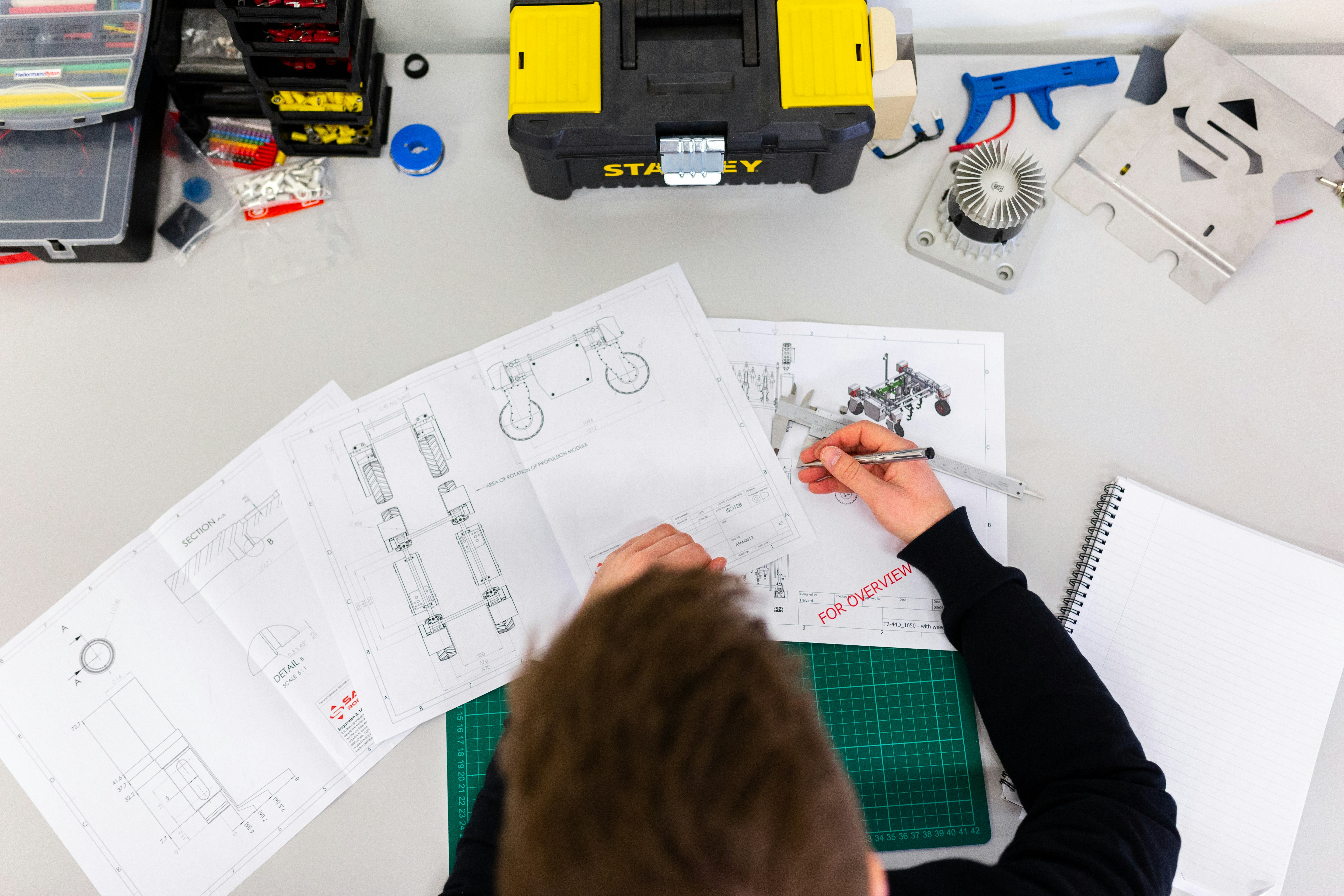
Immigration solutions for engineering and technical roles
Engineering businesses operating internationally often require experienced engineers, project leaders and technical specialists to work in the UK on a project-led or long-term basis. Immigration options for engineering roles depend on the nature of the role, level of responsibility and duration of the assignment.
We advise engineering and technical businesses on the two most commonly used routes: - Global Business Mobility (GBM) for time-limited, project-based or intra-group assignments - Skilled Worker sponsorship for longer-term or permanent engineering roles in the UK
This page focuses on role-led guidance, helping engineering employers understand which route is appropriate and which roles are eligible.
When Global Business Mobility works for engineering roles
Global Business Mobility is commonly used by engineering businesses where experienced personnel are required in the UK for a defined business purpose, rather than as part of the long-term workforce.
Typical engineering use cases include:
- Deploying engineering project managers to oversee UK delivery
- Assigning senior engineers to provide technical leadership or assurance
- Supporting infrastructure, energy or construction projects with specialist expertise
- Transferring experienced engineers who understand group systems, standards and methodologies.
For many engineering assignments, Global Business Mobility provides a lower-cost and more flexible alternative to permanent sponsorship, particularly where the role is project-based.
Engineering roles commonly eligible under Global Business Mobility
Eligibility under Global Business Mobility is assessed against occupation codes and role responsibilities, not job titles alone. Engineering roles commonly used under GBM include:
2127 – Engineering project managers and project engineers
Roles with delivery responsibility for engineering or infrastructure projects2121 – Civil engineers
Including senior civil and structural engineering roles2122 – Mechanical engineers
Senior mechanical and process engineering roles2123 – Electrical engineers
Electrical and power engineering specialists2125 – Production and process engineers
Engineering roles linked to manufacturing, energy and industrial operations2129 – Engineering professionals not elsewhere classified
Specialist engineering roles that do not fall within standard categories
Eligibility depends on the seniority, expertise and purpose of the role within the UK assignment.
When Skilled Worker sponsorship is more appropriate
Skilled Worker sponsorship is typically more suitable where:
- The engineering role forms part of the long-term UK workforce
- The business intends to retain the engineer beyond an initial assignment
- The role is embedded within UK operations rather than linked to a defined project
- Settlement or long-term residence may be a consideration.
Under the Skilled Worker route, a broad range of engineering and technical roles can be sponsored, subject to salary and skill-level requirements. Common examples include:
2121 – Civil engineers
Civil, structural and highways engineers employed on an ongoing basis2122 – Mechanical engineers
Mechanical, manufacturing and design engineers within UK operations2123 – Electrical engineers
Electrical, power and systems engineers in permanent or long-term roles2124 – Electronics engineers
Electronics, control systems and embedded systems engineers2125 – Production and process engineers
Engineers supporting manufacturing, industrial and energy operations2133–2135 – IT and systems-related engineering roles
Including systems architects, technical analysts and cyber specialists where engineering and IT overlap
We regularly advise engineering employers on whether a role should be structured under Global Business Mobility or Skilled Worker sponsorship, based on delivery timelines, cost and long-term workforce planning.
Skilled Worker sponsorship is typically more suitable where:
- The engineering role forms part of the long-term UK workforce
- The business intends to retain the engineer beyond an initial assignment
- Settlement or long-term residence is a consideration.
Engineering roles commonly sponsored under the Skilled Worker route include senior engineers, design engineers and technical specialists embedded within UK operations.

Still have questions?
Global Business Mobility vs Skilled Worker for engineering teams
The choice between Global Business Mobility and Skilled Worker sponsorship is often driven by duration, cost and long-term workforce planning.
Global Business Mobility may be suitable where:
- The assignment is time-limited or project-based
- Cost control is a priority
- Long-term settlement is not required
Skilled Worker sponsorship may be more appropriate where:
- The role is ongoing or permanent
- The engineer will be embedded in UK operations
- Settlement may be required in the future
Early assessment helps avoid restructuring roles later.
UK Expansion Worker route for engineering businesses
For overseas engineering companies establishing a UK presence for the first time, the UK Expansion Worker route may be appropriate.
This route allows senior engineering managers or specialist personnel to come to the UK to:
- Establish a UK subsidiary or branch
- Set up technical, operational or governance functions
- Prepare the business for future UK recruitment under a sponsor licence
The UK Expansion Worker route is time-limited and does not lead directly to settlement, but it can be an effective first step for engineering businesses entering the UK market.
Our approach to engineering immigration
We advise engineering businesses from both a commercial and compliance perspective, ensuring immigration strategy supports delivery while meeting Home Office requirements.
Our support includes:
- Assessing the correct route for engineering roles
- Mapping roles to the appropriate occupation codes
- Sponsor licence advice and ongoing management
- Application preparation and submission
- Ongoing compliance and audit risk support
We are clear where a role fits — and where it does not.
Important note on occupation codes
Occupation codes and eligibility criteria are subject to change under the Immigration Rules.
Before structuring roles or submitting applications, we strongly recommend speaking with our immigration lawyers to confirm:
- The correct occupation code for your engineering roles
- Current eligibility and salary thresholds
- Whether Global Business Mobility, Skilled Worker or UK Expansion Worker is the most appropriate route
Up-to-date advice reduces the risk of refusals, delays or compliance issues.
Other immigration routes
In limited situations, other immigration routes may be relevant, such as where an individual already holds permission under the Graduate or High Potential Individual routes.
These routes are individual-led and time-limited and are not designed for project delivery or workforce planning. Our immigration lawyers will advise where they are appropriate, and where Global Business Mobility, Skilled Worker or UK Expansion Worker routes offer a more secure solution.
Speak to an engineering immigration specialist
If your engineering business is planning a UK project, assignment or expansion, early advice can reduce cost, delay and compliance risk.
Discuss your engineering immigration requirements with our team to assess the most appropriate route for your roles.
Disclaimer
The information provided in these articles is for general guidance only and does not constitute legal advice. Immigration rules change frequently and individual circumstances vary, so you should always seek tailored advice from a qualified immigration lawyer before making any decisions. If you require professional support, our team would be pleased to assist you.
Stay Updated
Be the first to know — access timely immigration updates that matter to your business.